

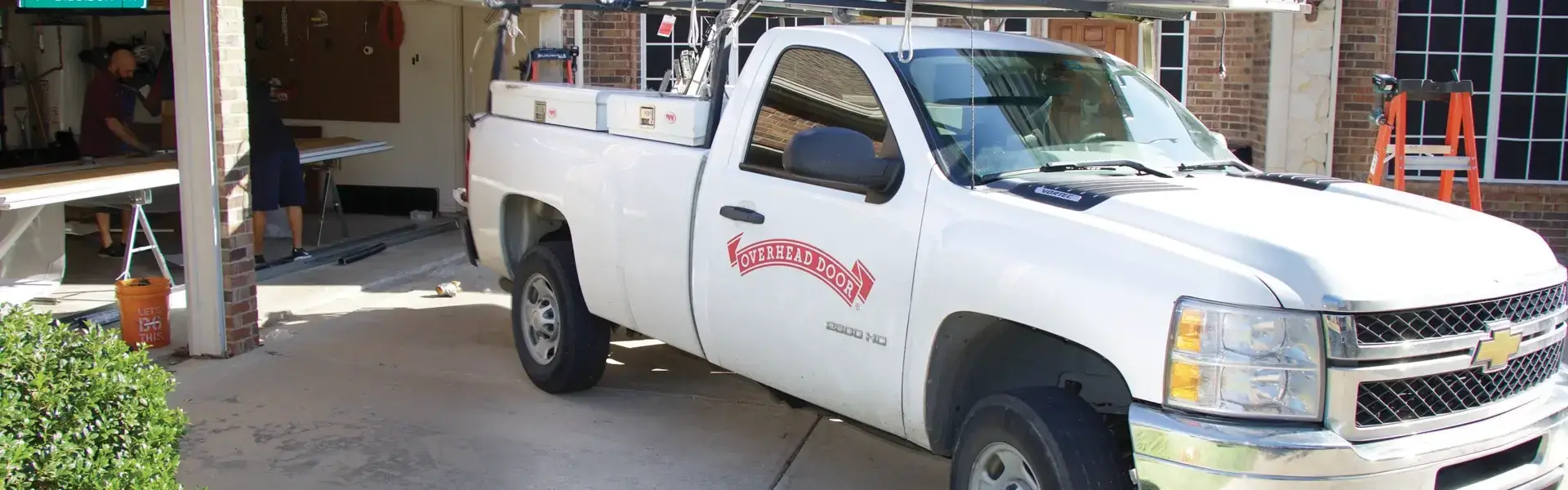
Garage door openers with grinding noises, delayed response, or inconsistent reversal signal motor or gear failure requiring immediate attention, addressing the common homeowner question, What Are the Signs That My Garage Door Opener Needs Servicing or Replacing? Since openers typically operate within a 10-15 year lifespan, Antelope Valley homeowners noticing erratic movement, dimming lights during operation, or safety sensor malfunctions should schedule professional diagnostics promptly, as continued use risks entrapment hazards and costly secondary damage to door components.
Key Takeaways
Broken springs or cables require immediate professional repair to restore safe garage door operation.
Garage door openers typically last 10-15 years before replacement becomes necessary due to wear.
Doors hanging crooked, coming off tracks, or becoming suddenly heavy signal urgent servicing needs.
Modern openers include safety features that older units lack, warranting replacement for home protection.
What Signs Mean Your Opener Needs Attention?
Erratic movement, grinding noises, and slow response times signal that a garage door opener needs servicing or replacing. Lancaster and Palmdale homeowners often notice these changes gradually, then suddenly face a door that will not budge. Garage doors rank among the most frequently used features in any home. Trouble with the opener demands prompt attention rather than a wait-and-see approach.
Age plays a major role in diagnosing opener trouble. Garage doors and their openers typically last between 15 and 30 years. Individual components can fail well before that range closes. A ten-year-old opener grinding through every cycle may simply need a tune-up. A twenty-year-old unit skipping commands often signals the end of its service life.
Is the noise always a warning sign?
Not necessarily. Occasional squeaks point to routine wear, while grinding, banging, or straining motor sounds point to a deeper mechanical issue. Sudden changes in sound, especially paired with slower movement, warrant a professional inspection.
Common red flags include:
Delayed response between pressing the remote and door movement
Door reversing without cause mid-cycle
Motor running while the door stays still
Visible fraying or wear on the drive mechanism
Should minor issues get repaired or replaced?
Minor cosmetic damage like chipped paint or small cracks generally favors repair over full replacement. Persistent operational failures, however, usually point toward a full opener swap. Overhead Door Company of the Antelope Valley™ helps Lancaster homeowners weigh those factors with confidence, backing every diagnosis with the official brand identity and trademark usage that has represented dependable local service for decades.
How Do You Listen for Opener Trouble?
Sound offers one of the clearest early warnings a garage door opener sends before failure. Grinding, rattling, or banging that wasn’t present a month ago signals that something inside the system has changed. Homeowners across Lancaster and Palmdale who catch these shifts early avoid the frustration of a door stuck halfway open on a Saturday morning.
Garage doors are never perfectly silent, but a sudden jump in volume or a new type of noise deserves attention. The signs that a garage door opener needs servicing or replacing often show up as sound before they show up as a full breakdown. Homeowners can catch these clues with a simple listening routine:
Stand near the opener unit and run the door through a full open-and-close cycle.
Note whether the motor strains, hesitates, or grinds at any point in the movement.
Compare the sound to how the door normally operates on a good day.
Watch the speed alongside the sound — a door that has grown sluggish may point to worn springs, tracks, or a struggling motor rather than the opener alone.
Write down when the noise happens, since timing helps a technician pinpoint the cause faster.
What noises should prompt a call for repair?
Grinding metal, repeated clicking without movement, or a loud bang followed by sudden slowness all warrant prompt attention. These are not the ordinary creaks of an aging door; they suggest a mechanical shift worth checking soon.
Do older openers get noisier over time?
Yes. Older opener models often begin operating inconsistently as components age. Inconsistent operation frequently arrives with unfamiliar sound before the door stops responding altogether.
What Mechanical Failures Signal an Emergency?
Certain mechanical failures turn routine garage door use into a genuine safety risk. A broken spring or cable, a door hanging crooked, a door that has slipped off its tracks, sudden heaviness when lifting, or a failure to close and reverse safely all point to one conclusion: the door should stop being used until a trained technician inspects it. These are among the clearest signs that a garage door opener needs servicing or replacing. Homeowners across Lancaster and Palmdale should treat them as a stop-use warning, not a minor inconvenience to work around.
Not every odd noise means disaster, though. A fresh squeak on its own rarely qualifies as an emergency. Sudden shifts in how the door moves, balances, or holds its position are a different story entirely, and those changes deserve prompt professional attention.
Before calling for service, homeowners can safely assess the situation:
Stop operating the door the moment any of the warning signs appears.
Look at the tracks and cables for visible gaps, fraying, or misalignment.
Check whether one side of the door hangs lower than the other.
Note if the door suddenly feels far heavier than usual when lifted manually.
Contact a qualified technician rather than attempting spring or cable repairs alone.
Is a squeaky garage door an emergency?
A squeak alone usually is not urgent. Squeaks often point to routine lubrication needs rather than structural failure. Attention becomes urgent only when the squeak accompanies a change in balance, speed, or stability.
Should a damaged garage door be repaired or replaced?
Isolated squeaks or cosmetic wear generally call for repair. Structural damage to panels or tracks, however, typically makes full replacement the more cost-effective long-term choice.
How Do You Decide Between Servicing and Replacing?
Homeowners weigh three factors when choosing between servicing and replacing a garage door opener: current repair cost, the opener’s age, and how well it still performs safety checks. A cracked gear or worn sensor often points toward simple servicing. A motor that struggles daily, paired with rising repair bills, signals that replacement delivers better long-term value.
Is it cheaper to repair or replace a garage door opener?
Cost comparisons hinge on the opener’s size, material, and brand. Larger doors and premium materials typically raise repair costs because they demand heavier parts and more labor. Recognized brands can also carry higher service prices, since parts availability and specialized repair requirements vary widely across manufacturers.
Consideration | Favors Servicing | Favors Replacing |
|---|---|---|
Door size/material | Small, standard door | Large, heavy, or premium-material door |
Brand parts availability | Common parts in stock | Specialized parts hard to source |
Motor performance | Occasional noise | Consistent strain or slow response |
What should a replacement opener offer?
A replacement should include advanced motor technology paired with smart controls and heavy-duty components built for lasting performance. These systems run quietly, meet strict safety standards, and need minimal upkeep compared to aging units. Homeowners in Lancaster and Palmdale gain long-term reliability by choosing equipment engineered this way rather than repeatedly patching outdated hardware.
Overhead Door Company of the Antelope Valley™ maintains official brand identity and trademark usage across every recommendation. Homeowners can trust that quoted parts and openers reflect genuine Overhead Door™ engineering rather than generic substitutes. That consistency matters most when comparing servicing costs against the value of a fully updated, code-compliant opener system.
When Should You Call a Professional Technician?
Professional attention becomes necessary the moment a garage door opener shows repeated failures, grinding noises, or safety-sensor malfunctions that basic troubleshooting cannot resolve. Homeowners throughout Lancaster, Palmdale, and the surrounding Antelope Valley should stop tinkering and schedule service once these patterns appear, since continued use risks a dropped door or a stranded vehicle.
Overhead Door Company of the Antelope Valley™ operates from its Lancaster, California location, placing trained help close to home for area residents. Recognizing the signs that a garage door opener needs servicing or replacing is only the first step; knowing how to act on them matters just as much.
Note the specific symptom — delayed response, unusual grinding, or the opener reversing without cause.
Disconnect the opener and operate the door manually to confirm the problem sits with the opener, not the door itself.
Contact a local technician rather than attempting internal repairs on electrical components.
Allow a factory-trained technician to inspect the unit and diagnose the root cause using manufacturer specifications.
Review the repair or replacement recommendation, backed by manufacturer and labor warranties for added assurance.
Is a technician visit worth it for a minor noise?
A single squeak rarely demands emergency service, but recurring grinding or clicking often signals gear or motor wear worth checking early. Catching the issue before full failure protects both the opener and the door system connected to it.
What makes local service more reliable?
A compact, ten-person team allows for personalized attention on every call, rather than a rotating cast of unfamiliar crews. That structure supports consistent official brand identity and trademark usage on every job. Clients know exactly who is servicing their equipment and under what standards.
FAQ
What are the most common signs a garage door opener needs servicing?
Grinding noises, delayed response between remote and door movement, door reversing without cause, and the motor running while the door stays still all signal opener trouble requiring professional diagnostics.
How long do garage door openers typically last before replacement?
Garage door openers typically last 10-15 years. Garage doors and openers combined last between 15 and 30 years, with individual components sometimes failing sooner.
Should homeowners repair or replace a malfunctioning opener?
Minor cosmetic damage favors repair. Persistent operational failures usually point toward full opener replacement, a decision Overhead Door Company of the Antelope Valley™ helps Lancaster homeowners weigh confidently.
Conclusion
In closing, recognizing these warning signs protects your family’s safety, preserves your property’s security, and prevents costly emergency repairs down the road. A garage door opener that struggles, stalls, or fails demands prompt professional attention—delaying service only compounds the problem. When you notice any of these indicators, reach out to experienced technicians who can diagnose the issue accurately and recommend whether repair or replacement best serves your needs. Your peace of mind depends on dependable equipment working as intended.