

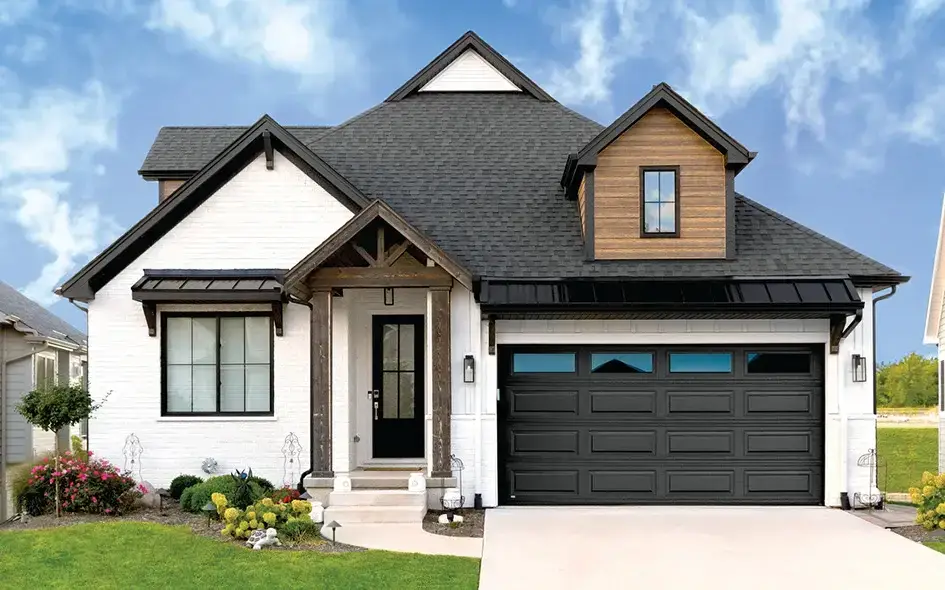
Energy efficiency ratings hinge on U-factor and R-value, which measure heat transfer and insulation strength. Overhead Door Company of the Antelope Valley offers Impression Steel garage doors with foamed-in-place polyurethane insulation, achieving a U-factor of .15 and an R-value of 12. Lower U-factors and higher R-values signal stronger thermal performance, helping Antelope Valley homeowners reduce energy loss and cut utility costs.
Key Takeaways
Energy-efficient garage doors reduce heating and cooling costs through improved insulation technology and weatherstripping.
Modern garage door models feature R-values ranging from 6 to 18, indicating superior thermal performance ratings.
Insulated steel and composite doors outperform single-layer aluminum options in energy efficiency and long-term durability.
Proper garage door selection impacts home value, security, and operational safety for residential and commercial properties.
What Do U-Factor And R-Value Really Measure?
U-factor measures how much heat passes through a garage door; lower numbers mean better insulation. R-value measures resistance to heat flow; higher numbers mean stronger thermal protection. Both figures matter because insulation quality directly affects a garage door’s ability to regulate indoor temperature and improve comfort throughout the Antelope Valley’s hot summers and cold desert nights.
These two measurements work as a pair, not substitutes for one another. A door’s construction, panel thickness, and insulation type all shape both scores. Quality manufacturers build doors that operate smoothly and maintain better insulation and security over time, which keeps these ratings meaningful long after installation.
What Insulation Ratings Look Like In Real Products?
Overhead Door’s Impression Steel line offers a concrete example. This steel garage door uses foamed-in-place polyurethane insulation, delivering a U-factor of .15 and an R-value of 12. That combination reflects dense, evenly distributed insulation rather than a thin foam layer sprayed between panels.
Wind-resistant models take a different construction approach while still prioritizing thermal performance. The WindStorm Model 7565 Series wind load doors combine polyurethane insulation with two layers of steel, adding structural strength alongside thermal protection. This layered design suits property managers who need doors rated for high-wind conditions without sacrificing energy efficiency.
Feature | Impression Steel | WindStorm 7565 Series |
|---|---|---|
Insulation type | Foamed-in-place polyurethane | Polyurethane |
Steel layers | Single | Two |
U-factor | .15 | Not specified |
R-value | 12 | Not specified |
Primary benefit | Thermal efficiency | Wind resistance plus insulation |
Homeowners comparing models should ask manufacturers for both figures, not just one. A door with a strong R-value but no stated U-factor leaves half the efficiency picture unclear.
Which Overhead Door Collections Boost Efficiency?
Carriage house collections combine classic swing-open design with modern insulated cores, delivering the strongest thermal performance among current residential lines. Manufacturers who invest in thicker steel, foam-injected panels, and upgraded hardware routinely outperform budget alternatives across every energy efficiency rating category. That gap in build quality explains much of the variation homeowners notice when comparing garage door models and brands side by side.
Carriage house doors stand out for three reasons:
Foam-injected polyurethane cores that slow heat transfer between the garage and outdoors
Traditional panel styling available in multiple finishes and decorative hardware options
Durable steel construction designed for reliable, low-maintenance daily operation
Why do insulation and hardware quality matter so much?
Stronger materials hold their seal longer, so warm or cool air stays where it belongs. Weak hardware, by contrast, allows panels to shift over time, opening gaps that quietly raise utility bills.
Is there a current incentive to upgrade?
Property owners in Lancaster and across the Antelope Valley can currently save on a new insulated door. Overhead Door Company of the Antelope Valley™ is offering up to pricing varies back on a new Overhead Door™ residential garage door installation. The promotion applies to qualifying new residential door installations.
Pairing that rebate with a carriage house or foam-core steel collection gives homeowners a practical path toward lower energy loss. Skipping the upgrade, on the other hand, leaves outdated panels leaking conditioned air every season the old door stays in place.
How Do Openers Affect Overall Door Efficiency?
Garage door openers influence energy performance just as much as the door panel itself. A poorly matched or outdated opener strains the door’s seal, forces gaps at the threshold, and lets conditioned air escape from an attached garage. The opener market spans many distinct types, each with its own performance trade-offs that affect how tightly a door closes and how consistently it operates over time.
Selecting the right unit requires more than picking a motor size. Buyers typically weigh three factors when comparing models:
-
Horsepower ratings, which determine lifting strength and how smoothly the door seats against weatherstripping
-
Smart features, including remote diagnostics and scheduling that reduce unnecessary open-door time
-
Safety mechanisms, such as auto-reverse sensors that prevent damage to seals and insulation
If your opener already shows early trouble, reviewing the signs your garage door opener needs servicing helps you catch efficiency losses before they raise your utility bill.
Do Smart Sensors Improve Energy Performance?
Yes. Modern operator systems increasingly include smart sensors and improved track designs that keep doors aligned and sealed tightly against the frame. A misaligned track allows drafts to slip through even a well-insulated panel. Track precision matters as much as the door’s core insulation.
What Convenience Features Support Efficient Operation?
Clear keypad instructions and smart-enabled opener options make daily use easier while supporting consistent, energy-conscious operation. Overhead Door Company of the Antelope Valley™ offers these convenience features to homeowners. Property managers who want dependable performance without sacrificing efficiency.
Efficient garage doors depend on the partnership between panel and opener. A high-performance door paired with a weak or aging operator loses much of its insulating advantage, making opener selection a critical part of any energy efficiency decision.
What Drives The Cost Of An Upgrade?
Door size and material quality set the foundation for any upgrade estimate. Larger doors and premium insulated panels demand heavier hardware and additional labor hours, which raises the final invoice. A single-car door with basic materials costs far less to install or repair than an oversized, fully insulated commercial unit.
Brand reputation plays a role too. Well-regarded manufacturers often carry higher service prices, since specialized parts and trained technicians are required to service them properly. Property managers should weigh that premium against the durability. Energy performance these energy efficiency ratings deliver over the life of the door.
Does a higher price always mean better value?
Not necessarily, but it often reflects real cost drivers. Heavier gauge steel, foam insulation cores, and reinforced hardware all add expense upfront while reducing long-term repair frequency. Recognized brands also tend to have parts on hand faster, which shortens downtime for commercial locations.
What else affects the final quote?
Labor complexity, panel count, and site accessibility all factor into pricing alongside size and brand. A few practical cost drivers to keep in mind:
Door dimensions: wider or taller openings require more panels and reinforced tracks.
Insulation grade: higher R-value cores cost more but cut energy loss.
Brand and parts availability: established brands may carry premium pricing but offer easier sourcing.
Technicians with Overhead Door Company of the Antelope Valley™ bring roughly 30 years of combined experience. More than 100,000 completed projects to every estimate, helping homeowners understand exactly where their money goes. Routine inspections and scheduled maintenance also protect that investment, catching small issues before they become costly emergency repairs.
How Should You Pick An Efficient Door?
Selecting an efficient garage door begins with comparing insulation values, warranty coverage, and installation standards rather than price alone. Homeowners and commercial property managers who prioritize these factors avoid costly energy losses that show up in higher heating and cooling bills each year.
How energy efficiency ratings differ among garage door models and brands often comes down to two things: the strength of the manufacturer’s warranty and the qualifications of the installer. Established garage door companies typically back their products with stronger warranty protection, giving property owners more confidence that insulation performance will hold up over time. A door with excellent thermal ratings loses much of its value if installed poorly or left unsupported after the sale.
Overhead Door Company of the Antelope Valley™ addresses both concerns directly. As an authorized Overhead Door™ distributor, the company focuses on dependable installation, repair, and product expertise for every project undertaken across the Antelope Valley. Every installation carries manufacturer and labor warranties, handled by factory-trained technicians who understand how insulation components perform in real-world conditions.
Does upgrading to an insulated door pay off financially?
For many households, the payoff extends beyond monthly utility savings. Homeowners can currently receive money back through the company’s rebate program when installing a new residential garage door, offsetting part of the upfront cost. Combined with reduced energy loss, that rebate makes an insulated upgrade more attainable for budget-conscious property owners. Reviewing the energy savings guide helps property owners estimate how quickly an insulated upgrade pays for itself.
When comparing options, property owners should weigh:
Warranty length and what components it covers
Whether the installer is factory-trained
Rebate or incentive availability at the time of purchase
Choosing a door backed by real support matters just as much as choosing the door itself. For a closer look at current options, explore this resource before scheduling an estimate.
FAQ
What is the difference between U-factor and R-value?
U-factor measures heat passing through a garage door, with lower numbers indicating better insulation. R-value measures resistance to heat flow, with higher numbers indicating stronger thermal protection.
What U-factor and R-value does the Impression Steel door achieve?
Overhead Door Company of the Antelope Valley’s Impression Steel door uses foamed-in-place polyurethane insulation, achieving a U-factor of .15 and an R-value of 12.
How does the WindStorm 7565 Series differ from the Impression Steel line?
The WindStorm Model 7565 Series combines polyurethane insulation with two layers of steel for wind resistance. Impression Steel uses a single steel layer focused primarily on thermal efficiency.
Conclusion
In closing, selecting a garage door based on energy efficiency ratings requires balancing insulation value, material durability, and long-term performance against your property’s climate and usage patterns. The most efficient models deliver measurable savings through superior thermal resistance while enhancing security and curb appeal. When you evaluate options, prioritize manufacturer specifications and professional guidance to ensure your investment aligns with both your budget and your home or business’s operational needs. Our team stands ready to help you navigate these choices with expertise grounded in decades of trusted service to the Antelope Valley community.
Ready to upgrade to a more energy-efficient garage door? Call Overhead Door Company of the Antelope Valley™ at (661) 946-7000 to schedule your estimate and start saving on energy costs today.