

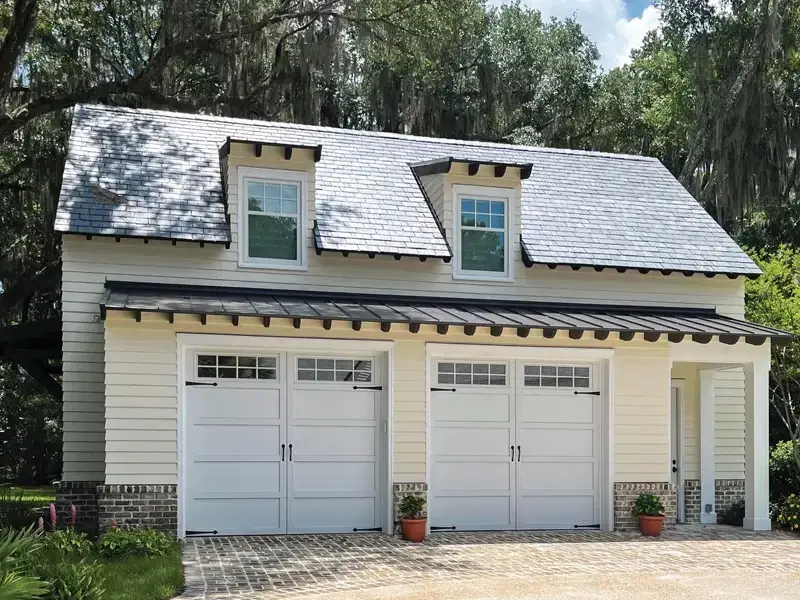
When it comes to What Are the Maintenance Differences Between Wood, Steel, and Fiberglass Garage Doors?, wood, steel, and fiberglass garage doors differ significantly in upkeep demands: wood requires regular painting or staining to prevent warping and rot, steel needs occasional rust checks but stays low maintenance thanks to features like foamed-in-place polyurethane insulation, and fiberglass resists dents and moisture damage, making it the easiest option for busy homeowners to maintain long-term.
Key Takeaways
Wood doors require annual staining or sealing to prevent rot, warping, and weather damage in desert climates.
Steel garage doors require regular maintenance, including occasional cleaning and rust-spot touch-ups, to ensure longevity.
Fiberglass doors resist moisture and temperature extremes without painting, making them ideal for Lancaster’s harsh sun exposure.
Steel outperforms wood and fiberglass in dent resistance, security, and long-term cost-effectiveness for most homeowners.
Why Does Garage Door Material Affect Maintenance Needs?
Material determines how a garage door ages, how often it needs attention, and how much a homeowner spends keeping it functional. Steel, wood, and fiberglass each respond differently to sun, moisture, and daily use, which is why the maintenance differences between wood, steel, and fiberglass garage doors matter long before installation day. A door chosen for looks alone can become a maintenance burden within a few seasons.
Selecting a material shapes far more than appearance. The material impacts durability, expected lifespan, and ongoing maintenance requirements. Homeowners in regions with harsh winters, humid summers, or wide temperature swings feel this impact directly through wear on seals, panels, and hardware. Steel earns its popularity partly because of low upkeep demands, especially when paired with insulation options that help regulate garage temperatures.
Which garage door material needs the least upkeep?
Steel generally requires the least routine attention. Wood demands more consistent care, including refinishing and moisture protection. Fiberglass sits between the two, resisting dents but sometimes fading under prolonged sun exposure.
Material | Typical Upkeep Level |
|---|---|
Steel | Low |
Wood | High |
Fiberglass | Moderate |
Why does understanding material help with repair costs?
Knowing how local repair pricing works helps homeowners avoid unexpected costs tied to material choice and upkeep habits. A door that skips regular maintenance often triggers pricier repairs later. Recognizing these patterns early protects both curb appeal and budget. It applies whether the garage carries the official brand identity. Trademark usage of a recognized manufacturer or a lesser-known build.
How Much Upkeep Do Wood Garage Doors Need?
Wood garage doors demand more attention than most other materials. The payoff comes in warmth and character no other option quite matches. Carriage house style doors, built to blend rustic, classic charm with modern technology, deliver strong curb appeal alongside dependable day-to-day performance. That combination explains why many homeowners weighing the maintenance differences between wood, steel, and fiberglass garage doors still gravitate toward wood despite the extra care it requires.
Refinishing and hardware inspection sit at the center of wood door upkeep. Because these doors come in a full range of finishes. Decorative hardware, homeowners gain the freedom to customize appearance without sacrificing how the door actually functions. That customization, though, means periodic attention to stain, paint, and metal accents to keep both looks and performance intact.
Do Carriage-Style Wood Doors Require Special Care?
Carriage-style wood doors carry the classic swing-open appearance and detailing homeowners associate with traditional wood construction. The Signature Carriage Collection pairs that historic look with the mechanics of a standard sectional door, which simplifies some of the upkeep typically tied to true swing-open wood hardware.
What Should Homeowners Check Regularly?
A short seasonal checklist keeps a wood door performing and looking its best:
Finish condition — watch for fading, cracking, or peeling on stained or painted surfaces.
Decorative hardware — tighten or replace hinges, handles, and clavos as needed.
Panel integrity — inspect for warping or moisture damage after heavy weather.
Weatherstripping — confirm seals remain flexible and properly seated.
Homeowners who commit to this rhythm of care preserve both the visual richness and the reliable operation that drew them to wood in the first place.
What Keeps Steel Garage Doors Low Maintenance?
Steel garage doors earn their reputation as the top choice for homeowners who want reliable performance without constant upkeep. Strength, affordability, and resistance to warping make steel the default pick across the Antelope Valley. Understanding the maintenance differences between wood, steel, and fiberglass garage doors starts with recognizing why steel holds this edge.
Insulation plays a major role in keeping steel doors low-maintenance over the long haul. Doors like the Impression Collection use foamed-in-place polyurethane insulation, a core that boosts thermal efficiency while sealing out the moisture and temperature swings that cause wear. That sealed construction means fewer seasonal adjustments and less exposure to the elements that damage other materials.
Steel is not maintenance-free, though. Durability and security come with a trade-off: steel panels are susceptible to rust once the finish is compromised, and dents happen easily from stray basketballs or careless car doors. Homeowners should still plan for periodic inspection and touch-up work, even on a well-built steel door.
Do Steel Garage Doors Need Regular Upkeep?
Yes. Even with a protective coating, steel benefits from routine checks for surface scratches, moisture pooling, and hardware wear. Catching small dents or rust spots early prevents bigger structural issues down the line. Regular lubrication of rollers and hinges also keeps the operating system running smoothly.
Repair costs deserve attention too. Steel doors tied to recognized manufacturers, including those carrying the official brand identity and trademark usage of Overhead Door™ products, can command higher service prices because of specialized parts and repair requirements. Property owners should factor that into long-term ownership costs, not just the upfront purchase.
Steel maintenance checklist:
Inspect panels for rust or dents each season
Wipe down surfaces to prevent moisture buildup
Lubricate rollers, hinges, and tracks periodically
Confirm insulation seals remain intact around edges
Budget for brand-specific parts when scheduling repairs
Why Is Fiberglass a Low-Maintenance Choice?
Fiberglass earns its reputation through lightweight construction paired with strong resistance to corrosion and impact. That combination keeps upkeep light for property owners who want a door that holds its finish without constant attention. Coastal and humid climates test materials hardest, and fiberglass shrugs off the moisture that warps wood or corrodes untreated steel.
Maintenance differences between wood, steel, and fiberglass garage doors often come down to how each material reacts to the environment. Wood demands sealing and repainting to prevent rot. Steel resists denting but can rust if the finish chips. Fiberglass, by contrast, rarely needs more than occasional cleaning to stay presentable.
Does climate affect which garage door material makes sense?
Climate plays a major role in the decision. Regional humidity, temperature swings, and coastal salt exposure determine whether fiberglass, aluminum, or wood composite delivers the best long-term durability and the lowest maintenance burden for a given property.
Is fiberglass more expensive to repair than other materials?
Premium materials, fiberglass included, typically cost more to repair than standard steel doors. Larger doors and denser panels require heavier replacement parts and additional labor. Repair estimates should account for material type from the start.
Reinforced designs illustrate how engineering extends service life across categories. Certain wind-load models combine polyurethane insulation with two layers of steel, showing that durability improvements aren’t unique to any single material. When shopping any door line, homeowners should confirm official brand identity and trademark usage on hardware and warranty documents. Properly labeled components simplify future service calls and protect long-term value.
When Should You Repair Instead of Replace?
Wear on a garage door falls into two categories: cosmetic and isolated, or structural and systemic. That distinction, not the door’s age or material, decides whether repair or replacement makes sense. A dent from a wayward bicycle differs entirely from a frame that no longer seals against winter wind.
Repair suits small, contained problems. Chipped paint, a hairline crack in a panel, or a loose hinge rarely threaten the door’s function. These fixes are quick, affordable, and extend the life of a perfectly sound structure.
Replacement becomes the smarter investment once damage turns systemic. Warping, spreading rust, or failures that keep recurring signal a door working against itself. Continuing to patch these problems often costs more over time than committing to a new install.
How urgent is a garage door repair, really?
Garage doors rank among the most frequently used features in any home. That constant use means small issues rarely stay small; delaying attention on a struggling opener or a misaligned track invites bigger repair bills later. Prompt evaluation protects both the door and the household routine built around it.
Does the type of material change this decision?
Not fundamentally. Whether a homeowner owns wood, steel, or fiberglass, the same repair-versus-replace logic applies. Overhead Door Company of the Antelope Valley™ brings that same standard, including its official brand identity and trademark usage, to every homeowner in Lancaster, CA, evaluating repair or replacement across all three materials.
FAQ
Which garage door material requires the least maintenance?
Steel requires the least routine attention, needing only occasional cleaning and rust-spot touch-ups. It stays low maintenance thanks to features like foamed-in-place polyurethane insulation, keeping doors functioning well for 15+ years.
Why do wood garage doors need more upkeep than steel or fiberglass?
Wood requires regular painting or staining to prevent warping, rot, and weather damage, especially in desert climates. This annual refinishing and hardware inspection protects the door’s classic charm and curb appeal.
How does fiberglass compare to steel and wood for maintenance?
Fiberglass resists dents and moisture damage without requiring painting, sitting between steel and wood in upkeep level. It handles Lancaster’s harsh sun exposure well, though it sometimes fades under prolonged exposure.
Conclusion
In closing, your choice among wood, steel, and fiberglass garage doors ultimately depends on balancing aesthetic preference, climate conditions, and your commitment to ongoing maintenance. Wood delivers timeless appeal but demands regular care; steel offers durability and low upkeep with minimal seasonal attention. Fiberglass provides weather resistance and moderate maintenance requirements. Understanding these distinctions empowers you to select a door that aligns with your property’s needs. Your lifestyle, ensuring years of reliable performance and curb appeal.
Ready for a garage door that fits your maintenance needs and your style? Contact Overhead Door Company of the Antelope Valley™ today to schedule a consultation and get expert guidance on choosing between wood, steel, and fiberglass.