

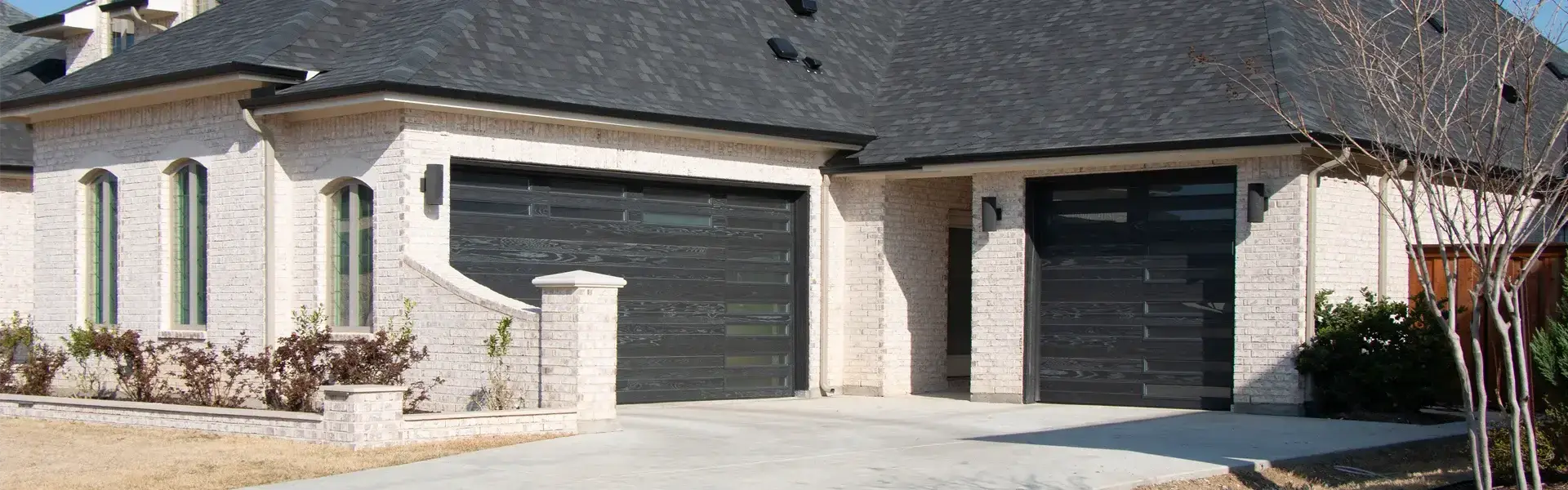
Regular planned maintenance extends a garage door’s lifespan and ensures safe, quiet operation. Homeowners should lubricate moving parts, inspect cables and rollers, and test auto-reverse safety features monthly. Overhead Door Company of the Antelope Valley™ recommends professional service for spring tension adjustments and track realignment to prevent costly breakdowns.
Key Takeaways
Unplug the automatic opener before performing any preventative maintenance to prevent unexpected activation.
Lubricate hinges, rollers, and springs with silicone-based or lithium grease spray to prevent premature wear.
Test the auto-reverse safety feature monthly to verify the door responds correctly to obstructions.
Inspect door operation for unusual noise, jerky motion, and misalignment during biannual checks.
What Tools and Skills Do You Need?
Proper garage door maintenance requires specific tools and a clear understanding of safety protocols. Homeowners who skip preparation risk equipment damage and personal injury. Before any inspection or lubrication task begins, gathering the right supplies and following lockout procedures prevents accidents.
What safety precautions should a homeowner take before starting?
Safety comes first. The automatic door opener must be unplugged before any preventative maintenance is performed. This eliminates the risk of the door activating unexpectedly during the work. If the door must remain in the raised position, a clamp should be affixed on the track under one of the rollers. This mechanical lock prevents the heavy door from slipping down.
What basic tools are needed for garage door upkeep?
A well-prepared homeowner assembles a few essential items. The toolkit includes brake cleaner, safety glasses, and various garage door parts. Brake cleaner removes old grease and grime from metal components. Safety glasses protect eyes from debris and chemical spray. Having replacement parts on hand, such as rollers or weatherstripping, streamlines the process when wear is discovered.
Homeowners should also refer to their garage door and garage door opener manuals for specific maintenance instructions. Manufacturer guidelines detail lubrication points and torque specifications unique to each model. For residents who encounter persistent issues like noisy operation or uneven movement, professional evaluation is the safer path. Overhead Door Company of the Antelope Valley™ provides factory-trained technicians in Lancaster, CA, to handle complex repairs. Many common garage door problems and their simple fixes stem from neglected maintenance that escalates over time.
How Do You Inspect and Clean the Door?
A garage door inspection happens about twice a year and covers noise, motion, and alignment. Cleaning and lubrication follow the inspection, and together these tasks form the core of practical residential garage door maintenance tips for homeowners.
Planned maintenance includes inspection, cleaning, and lubricating mechanical systems, checking door operation, and testing safety systems. Each task builds on the one before it, so the order matters.
What Should Homeowners Check During an Inspection?
Listen for unusual noise and watch for smooth or jerky motion. Check whether the parts appear to be in even alignment. A door that sounds louder than usual or moves in fits and starts signals a problem worth addressing before it escalates.
How Should the Door Be Cleaned and Lubricated?
Wash the door, lubricate all moving parts, and tend to the weatherstripping. Rollers and hinges need attention as well, and any damaged parts should be replaced. These steps keep operation quiet and extend the life of the system.
Inspect door operation for noise, jerky motion, and misalignment.
Wash the door surface to remove dirt and buildup.
Lubricate all moving parts, including rollers and hinges.
Check weatherstripping and replace worn sections.
Replace any damaged parts found during the inspection.
Homeowners who prefer a documented routine can review professional maintenance guidance for spring, cable, and safety inspection details. Overhead Door Company of the Antelope Valley™ provides expert residential garage door solutions backed by factory-trained technicians when a repair moves beyond routine care.
How Do You Lubricate Moving Parts Safely?
Lubricating moving parts is a core step in residential garage door maintenance tips that prevents premature wear. Skipping this task leads to noisy operation and component failure that costs homeowners hundreds in avoidable repairs. Proper lubrication restores smooth movement and extends the life of rollers, hinges, and springs.
What Parts Require Lubrication During Maintenance?
The primary targets for lubrication include hinges, rollers, springs, and the opener’s chain or screw drive. Planned maintenance includes lubricating mechanical systems to support safe, smooth, and reliable operation. Homeowners who neglect these components experience jerky door movement and increased strain on the opener motor.
What Safety Precautions Should Homeowners Take First?
Disconnect the automatic opener before applying any lubricant. Secure the door with a clamp on the track to prevent accidental closure. These precautions protect against injury while accessing overhead components.
How Should Rollers and Hinges Be Lubricated?
Caring for rollers and hinges is part of proper garage door maintenance. Apply a silicone-based or lithium grease spray directly to hinge pivot points and roller bearings. Wipe away excess lubricant to prevent dripping onto the door surface or garage floor. Avoid using heavy grease or penetrating oils that attract dirt and debris.
Regular planned maintenance is the best way to assure safe, smooth, and reliable operation and fewer unexpected repairs. Overhead Door Company of the Antelope Valley™ provides factory-trained technicians who perform comprehensive lubrication as part of professional tune-ups. Homeowners who maintain this schedule reduce breakdown risks and lower long-term ownership costs.
How Do You Test Safety Systems and Balance?
Safety testing confirms that a residential garage door responds correctly to obstructions and stays put when released mid-travel. Homeowners should perform these checks on the door system and contact a professional for repairs if the door fails any of them. Skipping the tests leaves a heavy moving object unverified, and a failed balance check means the opener carries weight it was never designed to lift.
Gather safety glasses and clear the door’s path before starting. Unplug the automatic opener before any hands-on inspection.
Disconnect the door from the opener so that it operates manually.
Lift the door roughly halfway up.
Release the door and observe its position.
Note any slipping, drifting, or sudden drop.
A properly balanced door remains in place when released halfway up. A door that slips down is not balanced, and the springs or cables need professional attention.
What Should a Homeowner Do If the Balance Test Fails?
Stop operating the door and arrange service. Planned maintenance includes testing safety systems and then addressing any issues found, so a failed result is a prompt to act rather than a problem to monitor. Overhead Door Company of the Antelope Valley™ emphasizes safety and code-compliant work handled by experienced, factory-trained technicians. The company’s guidance on garage door safety standards explains how reversal systems and sensors prevent accidents.
How Often Should Safety Tests Be Repeated?
Repeat the full set of checks about twice a year, alongside the rest of a residential garage door maintenance tips routine. Consistent testing catches small faults before they escalate into major problems.
When Should You Call a Professional?
Garage doors break down at inconvenient times, and small issues escalate into major problems when left unaddressed. Homeowners should contact a professional for repairs if the door fails any safety test. Regular planned maintenance extends door life and lowers the cost of ownership, but certain conditions demand trained intervention.
Residential Garage Door Maintenance Tips help homeowners handle routine care, yet some failures exceed DIY scope. A door that reverses improperly, binds mid-travel, or emits grinding noises signals mechanical stress. Ignoring these warnings risks sudden failure, property damage, or injury.
What Safety Test Failures Require Immediate Professional Service?
A garage door that fails the auto-reverse test or photo-eye sensor check needs professional attention. The Home Depot’s garage door maintenance guidance directs homeowners to contact a professional for repairs if the door fails any safety test. Delaying service leaves a malfunctioning safety system in place, which endangers vehicles, pets, and family members.
How Does Professional Service Lower Long-Term Ownership Costs?
Planned maintenance assures safe, smooth, and reliable operation while reducing unexpected repairs. Overhead Door Company of the Antelope Valley™ provides transparent estimates by phone or in person and stands behind every project with written manufacturer and labor warranties. The company also services many older door and opener models when parts are available, extending the useful life of existing equipment.
Homeowners noticing signs your garage door needs service should act before minor wear becomes a full replacement. A professional inspection identifies worn springs, frayed cables, and misaligned tracks before failure occurs.
FAQ
How often should I inspect my residential garage door?
Homeowners should perform a garage door inspection about twice a year, covering noise, motion, and alignment, followed by cleaning and lubrication.
What safety precautions should I take before maintaining my garage door?
Unplug the automatic opener before any preventative maintenance, and if the door stays raised, affix a clamp on the track under one roller to prevent slipping.
What should I test monthly on my garage door?
Test the auto-reverse safety feature monthly to verify the door responds correctly to obstructions, as recommended by Overhead Door Company of the Antelope Valley™.
Conclusion
Following these residential garage door maintenance tips helps homeowners extend the life of their equipment and avoid unexpected breakdowns. When a door fails a safety test or balance check, professional service becomes the necessary next step rather than a choice. Acting on these warning signs protects your investment and keeps your family safe.