

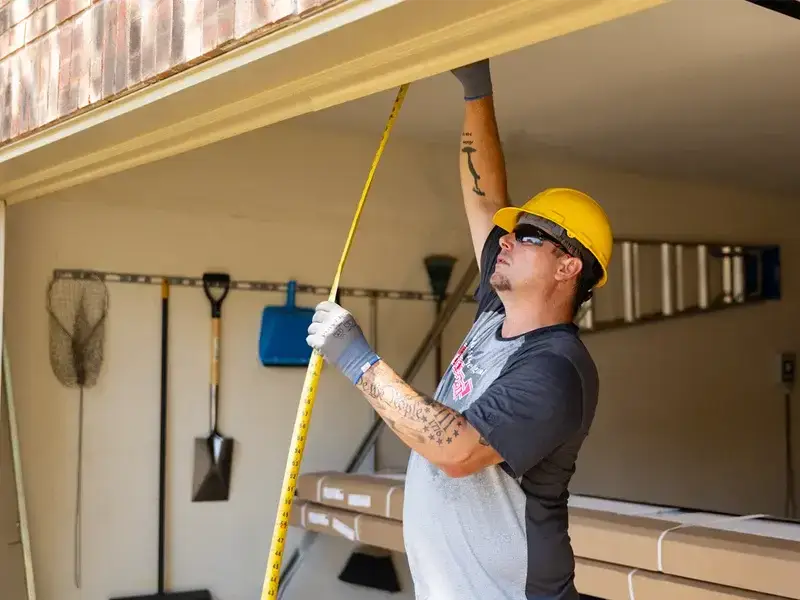
Smooth installations depend on five factors: thorough pre-installation assessment, accurate measurements, factory-trained technicians, clear communication, and manufacturer-backed warranties. Overhead Door Company of the Antelope Valley™ evaluates garage suitability and structural issues before installation day, then completes setup with Overhead Door™ products, transparent pricing, and code-compliant workmanship, giving Lancaster and Palmdale homeowners a dependable, stress-free replacement experience.
Key Takeaways
Professional pre-installation assessments identify structural requirements and prevent costly installation delays or complications.
Safety compliance during installation protects your home, family, and ensures proper garage door operation for years.
Our 10-person team coordinates scheduling to complete most residential installations within a single business day.
Final system inspections verify proper alignment, balance, and safety features before you use your new door.
What Should You Prepare Before Installation Day?
Preparation determines how smoothly installation day unfolds. A garage door should do more than open and close on command. It should strengthen home safety, sharpen curb appeal, and give property owners lasting confidence in daily use. Getting ready ahead of time means addressing material choices, clearing the workspace, and setting realistic expectations for the crew.
Property owners can follow these steps in the week leading up to installation:
Confirm the material selection. The material chosen for a new garage door installation affects durability, appearance, insulation performance, and future upkeep. Steel remains a popular option because it delivers strong protection with relatively low maintenance demands.
Account for size and weight. Larger doors and premium materials typically call for heavier components and additional labor, so homeowners should plan for a longer install window and confirm this with the crew beforehand.
Clear the garage interior. Remove vehicles, stored items, and any clutter near the door track so technicians have full access.
Note current pain points. Write down any issues with the existing door, since a malfunctioning door disrupts schedules and raises safety concerns, while a properly working one protects valuable property and daily routines.
Set aside the full day. Installation involves removal, mounting, and calibration, so availability matters more than a fixed appointment window.
Does the Old Door Need to Be Removed First?
Yes, removal typically happens before the new door installation begins. Technicians disconnect the existing panels, track, and springs as the first phase of the job. Homeowners do not need to schedule a separate appointment for removal, as it occurs during the installation.
How Should Homeowners Choose Between Materials?
Material choice should reflect climate, budget, and maintenance tolerance. Steel suits homeowners seeking strong protection without frequent upkeep, while other materials may prioritize appearance over durability.
How Does the Pre-Installation Assessment Work?
A pre-installation assessment examines the garage structure, confirms exact measurements, and flags structural issues before any work begins. This step protects homeowners from costly surprises once installation day arrives. Skipping it risks ordering the wrong size door, missing hidden framing problems, or scheduling a crew for a job that isn’t ready to start.
Professional garage door installation service begins with a technician evaluating the opening, the surrounding framing, and the condition of the existing track or header. Lancaster-based technicians serving Antelope Valley properties can typically schedule an on-site visit without long travel delays, since the assessment team works close to home. That local proximity matters when timing repairs around a homeowner’s schedule.
What happens during the on-site evaluation?
Technicians inspect the opening for square alignment, measure clearance for the new door and track system, and check for water damage, rot, or shifted framing. They also review whether the existing opener and hardware can be reused or need replacement. Homeowners receive a transparent estimate by phone or in person before any work gets scheduled. There are no scheduling surprises.
Does the door brand affect pricing during assessment?
Brand matters more than most homeowners expect. Recognized manufacturers often carry different service costs tied to parts availability and specialized repair needs, a detail worth raising during the assessment conversation.
A typical assessment visit covers:
Measure the opening width, height, and headroom clearance.
Inspect framing, header, and track alignment for damage.
Evaluate the existing opener and hardware for reuse potential.
Discuss brand options and how parts availability affects pricing.
Provide a transparent, itemized estimate before scheduling installation.
Property owners across Lancaster and Palmdale benefit from this structured approach. It removes guesswork and sets realistic expectations before a single panel arrives.
What Happens During Installation Day Itself?
Installation day follows a structured sequence designed to protect the home, the crew, and the finished product. Professional garage door installation unfolds in a specific order. Safety, precision, and proper functionality depend on following detailed steps rather than skipping ahead. Homeowners who understand this sequence feel far more confident watching the process take shape in their own driveway.
Skipping steps or rushing the process risks misaligned tracks, unsafe spring tension, or an opener that fails to operate properly. That kind of shortcut costs homeowners a callback visit and delays the moment they can finally park inside again. A skilled crew follows a set order to ensure proper installation and avoid misalignment.
Confirm the opening and prerequisites. Technicians verify measurements, framing, and clearances match the pre-installation assessment before any hardware comes out of the truck.
Remove the old door safely. Crews use sturdy work gloves to shield hands from cuts, scrapes, and pinches while handling heavy panels and hardware.
Install tracks, panels, and hardware. Technicians mount each section with attention to alignment and spring tension.
Set up the opener. The crew installs and calibrates the opener, including sensors and remote programming.
Test and adjust. Technicians run the door through multiple cycles, checking balance, force settings, and safety reversal.
Can an old opener or door be reused instead of replaced?
Many older door and opener models can still be serviced during an installation visit, provided replacement parts remain available. A technician evaluates the existing hardware on-site before recommending a full replacement.
Who performs the actual installation work?
Experienced, factory-trained technicians handle the installation, backed by manufacturer and labor warranties on the finished work. Their combined field experience, built across tens of thousands of completed projects, supports consistent, accurate results on every visit.
What Should the Final Walkthrough Include?
A final walkthrough covers the new door’s features, safety checks, and operating instructions before the technician leaves the property. This step confirms that homeowners understand exactly how their system works and what to do if a problem arises later. Skipping this conversation leaves many owners guessing about basic settings. That confusion often surfaces during the first storm or power outage.
Overhead Door Company of the Antelope Valley™ includes a structured review with every professional garage door installation service, not a quick handoff. The technician walks the homeowner through each feature of the new door, explaining how the panels, tracks, and safety sensors work together. This walkthrough matters because a garage door system only performs well when the owner knows how to use it correctly day to day.
Reliable operation is the goal of every step in the process. Overhead Door Company of the Antelope Valley™ ensures that every component, from the springs to the motor, operates safely and consistently once installation wraps up. That reliability protects both the household and the investment made in the new door.
What Does the Technician Explain During the Opener Review?
Technicians walk owners through clear keypad instructions and any smart-enabled opener features included with the new system. This covers programming remotes, setting access codes, and connecting mobile controls where applicable. Homeowners leave the walkthrough knowing how to operate the opener without calling for help on day one.
A thorough walkthrough typically includes:
Demonstrating manual and automatic door operation
Reviewing safety sensor placement and function
Explaining keypad and smart opener setup
Introducing visualization tools and design resources for future upgrades
That last point matters for owners planning future projects. Design resources help them select styles that complement their property down the road.
What Common Mistakes Should You Avoid?
Four missteps undermine an otherwise smooth garage door installation service: skipping maintenance, ignoring warning signs, misunderstanding pricing, and overlooking code compliance. Each mistake carries real financial and safety consequences for homeowners in Lancaster and Palmdale.
Neglecting routine inspections tops the list. Worn rollers, broken springs, and misaligned tracks start small but escalate into costly repairs when left unchecked. Skipping these checkups puts the original investment at risk and drains a household budget over time.
Why does ignoring warning signs matter so much?
A garage door rarely fails without notice. Grinding noises, uneven movement, or slow response times signal trouble ahead. Ignoring these signs allows a minor malfunction to interrupt daily schedules and create genuine safety concerns for families and vehicles.
What pricing mistakes catch homeowners off guard?
Many property owners never learn what drives repair and installation costs before requesting quotes. That gap leads to sticker shock and difficulty comparing estimates fairly. Understanding how pricing works in advance protects against unwelcome surprises later.
Overlooking code compliance rounds out the list. Local and state building codes exist for good reason, and cutting corners undermines both safety and the fast turnaround homeowners expect. Property owners should confirm that installers:
Follow current code requirements for the region
Provide realistic timelines that limit downtime
Explain maintenance schedules before work begins
Break down pricing factors clearly, before signing anything
Avoiding these four mistakes keeps installations safe, affordable, and built to last.
FAQ
Does the old garage door need to be removed before installation?
Removal is always the first step in a professional installation. Technicians must clear the opening before mounting new tracks and panels. This means homeowners do not need to schedule a separate removal appointment.
What factors should guide the choice of garage door material?
Local climate, budget constraints, and how much maintenance a homeowner wants to handle all shape the right material decision. Steel remains popular for its combination of durability and low upkeep. Other materials may better suit homeowners prioritizing a specific aesthetic.
What does a pre-installation assessment cover?
The assessment team inspects the garage’s structural condition, takes precise measurements, and checks for hidden issues like framing damage before scheduling any installation work. Catching these details early helps avoid mismatched door sizes or unexpected delays on installation day.
Conclusion
A professional garage door installation succeeds when preparation, assessment, and skilled execution come together. Knowing what to expect, from clearing the garage and confirming material choices to the final walkthrough, helps Lancaster and Palmdale homeowners move through the process with confidence instead of guesswork. Following a structured sequence, backed by factory-trained technicians and manufacturer warranties, protects the investment and keeps the new door operating safely and reliably for years to come. Avoiding the common mistakes outlined above, skipped maintenance, ignored warning signs, pricing confusion, and code shortcuts, further ensures the installation holds up over time. With the right preparation and a qualified crew, a garage door replacement becomes a straightforward upgrade rather than a stressful ordeal.
Ready to get started on your garage door installation? Call us today to schedule your assessment and experience the Overhead Door Company of the Antelope Valley™ difference.