

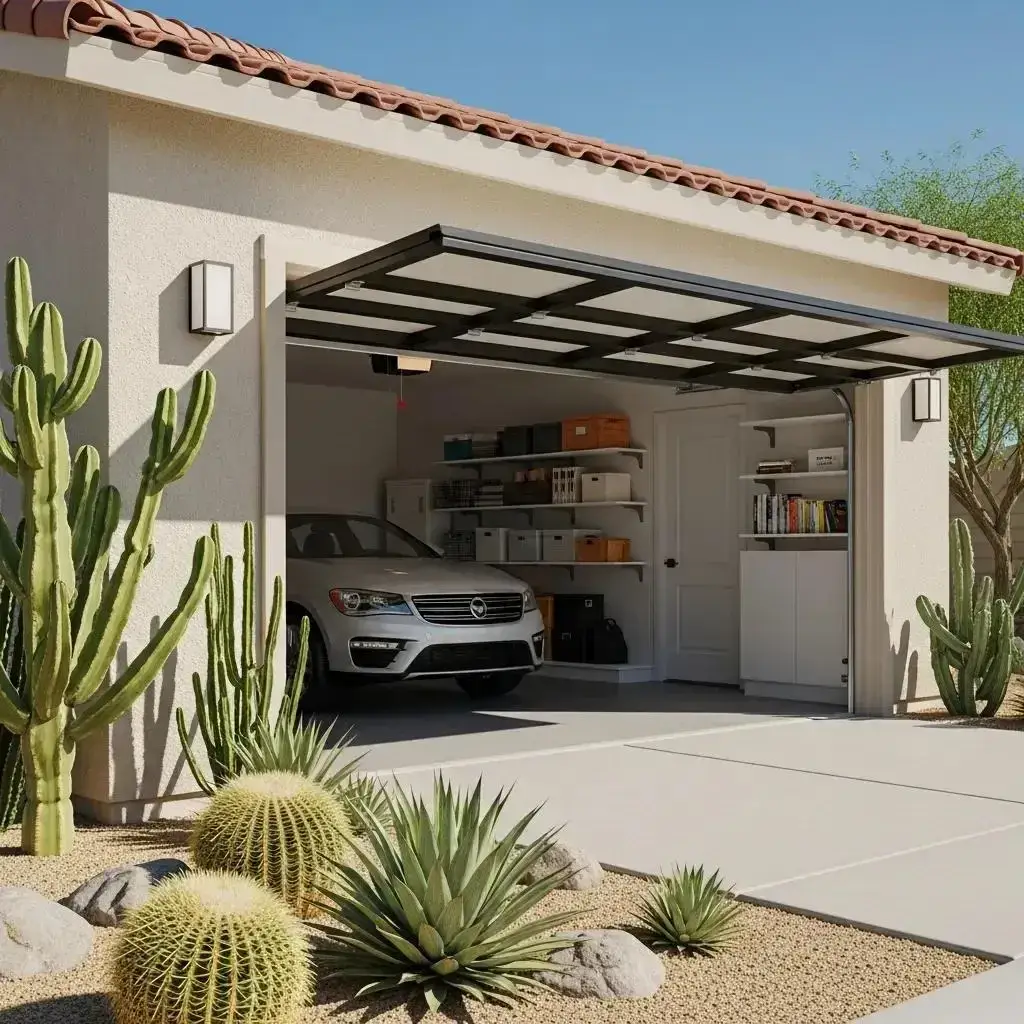
When it comes to Residential Garage Door Energy Savings, insulated garage doors cut energy loss by sealing garages against outdoor temperature swings, lowering HVAC strain on adjacent rooms. The Impression Steel Garage Doors feature foamed-in-place, polyurethane insulation providing thermal efficiency with a U-factor of .15 (R-value of 12), reducing heat transfer, protecting stored equipment, and delivering measurable savings on heating and cooling costs year-round.
Key Takeaways
Amarr participates in DASMA Thermal Performance Verification Program with third-party certified U-factor ratings.
Insulated garage doors regulate temperature and improve comfort throughout the entire home environment.
Energy efficient garage doors lower energy bills while providing environmental protection and separation.
Overhead Door Company of the Antelope Valley serves Lancaster, CA with 10 employees.
Why Does Your Garage Door Affect Home Comfort?
Garage doors share more than a wall with the rest of the house. In most homes, the garage ceiling and at least one interior wall connect directly to living space. A worn or poorly sealed door lets outdoor heat and cold pass through that shared structure, reaching bedrooms, laundry rooms, or home offices built above or beside the garage. That temperature transfer does not stay contained. It spreads into the rooms families use every day, undermining residential garage door energy savings before a homeowner ever notices the cause.
Does a garage door really strain the HVAC system?
Yes. When a garage swings between extreme heat. Cold, that shift forces the heating and cooling system to work harder to keep the rest of the house stable. The furnace or air conditioner compensates for temperature bleeding through shared surfaces, driving up energy use.
The result shows up in three places:
Higher utility bills from HVAC systems running longer cycles
Uneven comfort in rooms adjacent to the garage
Added wear on heating and cooling equipment over time
Why does location matter for garage door performance?
Local climate extremes make the problem worse. Operating out of Lancaster, California, Overhead Door Company of the Antelope Valley understands firsthand how the region’s sharp seasonal swings test a garage door’s ability to hold indoor temperatures steady.
What Does Garage Door Insulation Actually Do?
Garage door insulation blocks heat transfer between outdoor air and the space inside the garage. A well-insulated door slows summer heat gain and winter heat loss, keeping temperatures steadier year-round. For homes where the garage sits next to a living room, laundry area, or home office, this barrier directly affects indoor comfort and heating and cooling costs.
Demand for this feature has grown considerably. More homeowners now treat insulation as a top priority when shopping for garage doors, not an optional upgrade. Comfort and residential garage door energy savings rank among the main reasons buyers request insulated models over standard steel or aluminum panels.
How Is Insulation Actually Built Into a Garage Door?
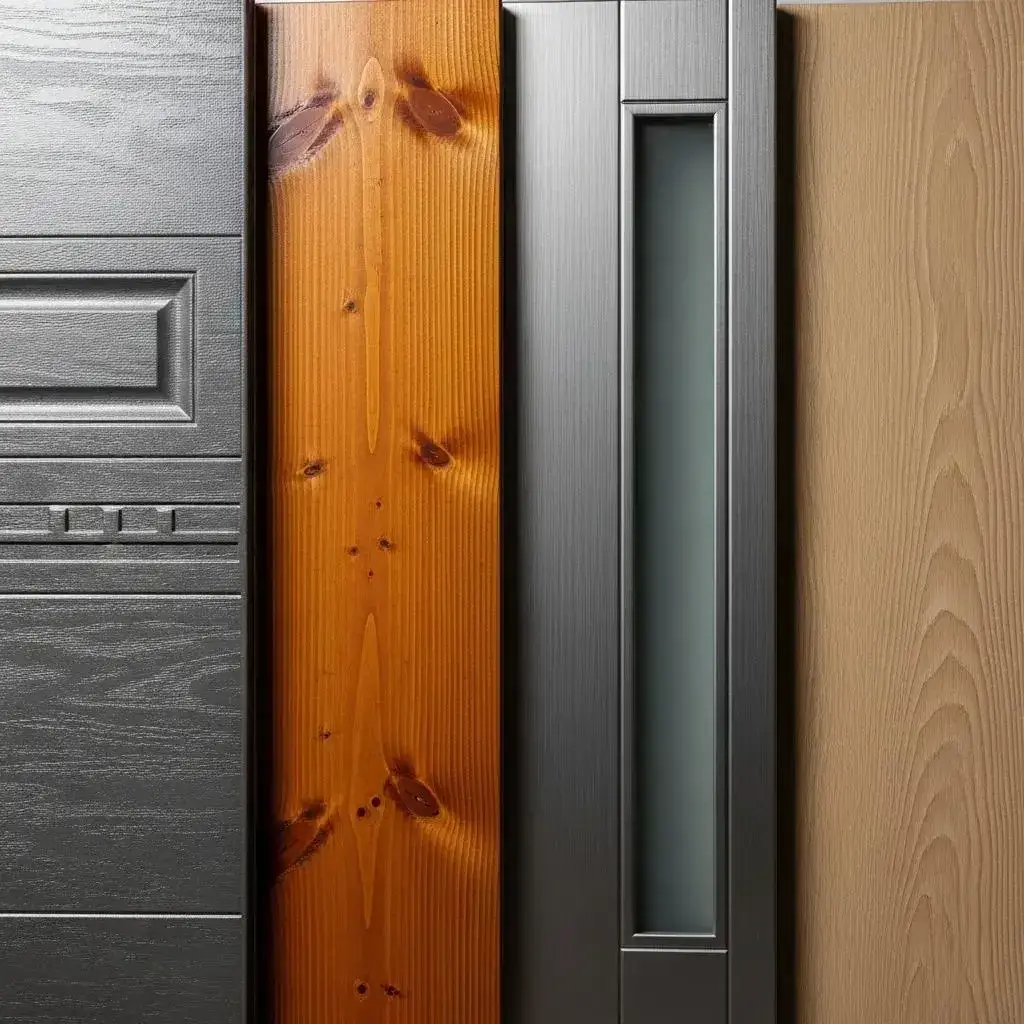
Manufacturers commonly use a foamed-in-place polyurethane core sandwiched between steel panels. The Impression Steel line, for example, achieves a U-factor of .15, equivalent to an R-value of 12. That rating reflects how effectively the door resists heat flow — the lower the U-factor, the better the thermal performance.
A quick comparison shows why this matters:
Door Type | Thermal Barrier |
|---|---|
Non-insulated steel door | Minimal heat resistance |
Foamed-in-place polyurethane door | Strong resistance, U-factor .15 |
Choosing a foam-insulated door gives adjacent rooms fewer temperature swings and less strain on HVAC equipment throughout the year.
How Is Thermal Efficiency Measured and Verified?
A U-factor rating tells the real story of a garage door’s thermal performance, measuring how much heat escapes rather than relying on marketing claims. Lower U-factor numbers mean better insulation and steadier indoor temperatures near the garage. Property managers and homeowners chasing genuine residential garage door energy savings should treat this rating as the starting point, not a bonus feature.
The industry did not always agree on how to measure this. The DASMA Thermal Performance Verification Program changed that by establishing U-factor as the accepted standard for rating sectional garage doors. Manufacturers participating in the program submit doors for consistent, standardized testing rather than self-reported figures.
Why does third-party testing matter for U-factor claims?
Self-reported ratings can vary wildly between manufacturers, making comparison shopping difficult. Third-party verification removes that guesswork. Amarr, for example, submits its insulated garage doors to certified independent labs to confirm accurate U-factor numbers, giving buyers a benchmark they can trust rather than a number pulled from a spec sheet.
Does insulation alone determine a door's efficiency?
Not entirely. Insulation matters, but metal gauge and perimeter seals carry real weight too. Thicker steel gauges resist flexing and heat transfer better than thin panels. Tight perimeter seals block drafts around edges and thresholds. Together, these three factors—insulation, gauge, and sealing—determine how much a door actually protects a home’s comfort and energy bills.
Which Door Style Delivers the Best Energy Savings?
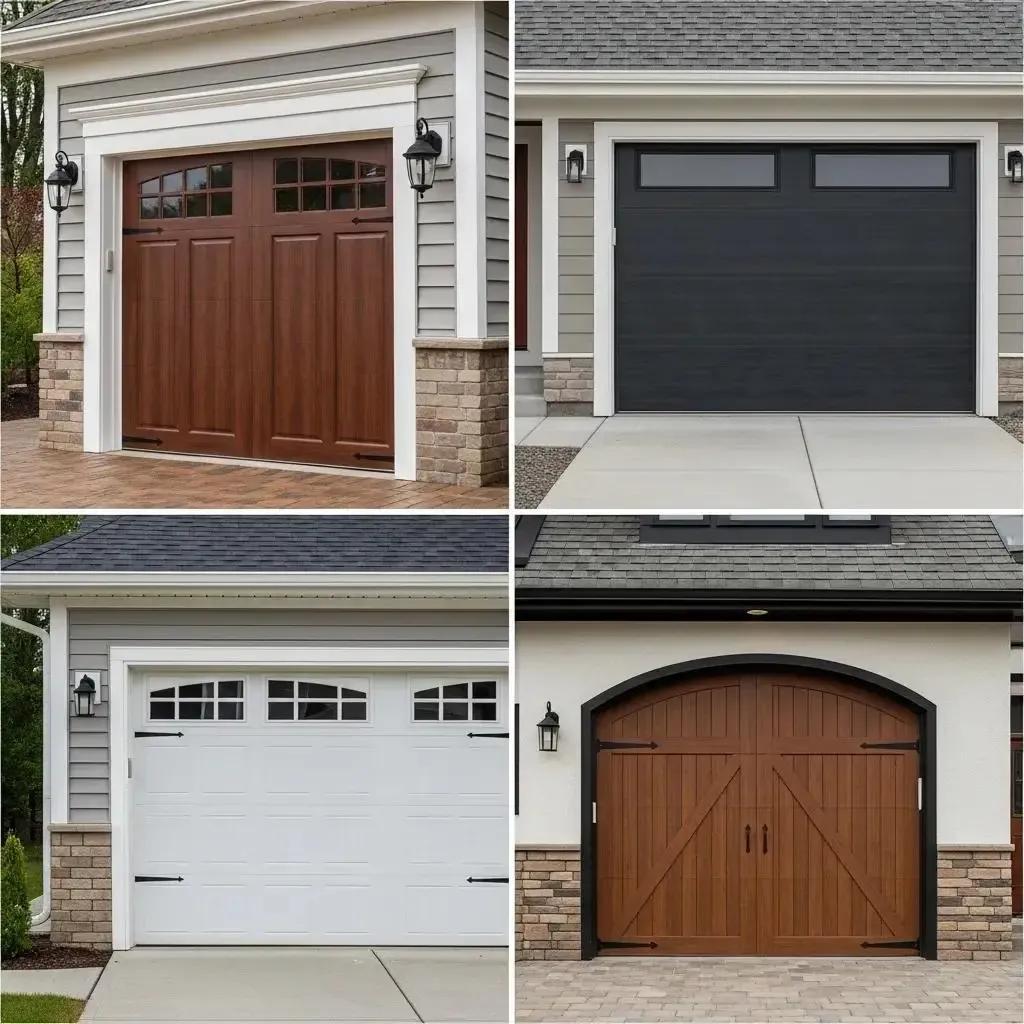
Carriage house doors top the list for homeowners who want efficiency without sacrificing curb appeal. These designs blend rustic, classic styling with modern insulated construction, giving property owners a door that performs as well as it looks. That combination matters most for residential garage door energy savings. A good-looking door still has to seal out summer heat and winter cold.
Several models within the carriage house lineup stand out for different reasons. The Impression Steel design uses large sections and windows to create a dramatic visual effect, while still delivering low-maintenance, insulated performance behind the glass. The Overhead Door Signature Carriage Collection takes a different approach, pairing the classic swing-open look of wood carriage doors with the practical convenience of a standard sectional door.
Which carriage house model handles the toughest climates?
The WindStorm Model 7565 Series answers that question directly. Built with polyurethane insulation sandwiched between two layers of steel, this model targets homeowners in areas prone to temperature swings or high wind exposure. That layered construction helps rooms next to the garage hold a steadier temperature year-round.
Can homeowners get style options without losing efficiency?
Yes. The carriage house collection offers a full range of finishes and decorative hardware. Customization does not come at the expense of insulated performance.
Comparing Carriage House Options
Model | Standout Feature |
|---|---|
Impression Steel | Large sections and windows for dramatic curb appeal |
Signature Carriage Collection | Swing-open wood look with sectional convenience |
WindStorm 7565 Series | Polyurethane insulation with two-layer steel construction |
Property managers overseeing multiple units benefit from this range too. Matching a durable, insulated model to each building’s exposure protects equipment stored in garages from extreme seasonal shifts while keeping HVAC costs in check.
How Do You Choose an Energy-Smart Garage Door?
Correct sizing and professional installation determine whether a garage door actually delivers on its efficiency promise. Homeowners chasing residential garage door energy savings need more than a well-rated door. They need a door matched to their climate exposure, opening size, and how the space connects to living areas. A mismatched fit undermines even the best insulation ratings, letting drafts creep in around gaps and seals.
For garages that double as workshops, storage for temperature-sensitive equipment, or high-traffic commercial-adjacent spaces, durability under stress matters as much as insulation value. RapidFlex rubber doors, built for exactly this demand, undergo independent testing to withstand wind loads up to 27.0 psf. That kind of resistance keeps outdoor air, dust, and pressure changes from compromising the barrier between garage and interior rooms.
What Safety Features Come With High-Performance Doors?
High-performance doors combine structural strength with active safety systems. RapidFlex doors include breakaway, self-reset panels that recover automatically after impact, along with infrared obstruction detection and wireless reversing safety edges. An industry-leading five-year door system warranty backs the whole assembly, giving property managers confidence the investment holds up season after season.
Why Does Local Installation Expertise Matter?
Installation quality often decides whether an efficient door performs as designed. Overhead Door Company of the Antelope Valley fields 10 trained technicians who serve Lancaster-area homeowners. Property managers, sizing doors correctly for local temperature swings and wind exposure.
Decades of regional experience back that work. The company applies years of local know-how to fitting doors that seal properly against Antelope Valley’s seasonal extremes. Every recommendation comes from a licensed, bonded team, meaning assessments stay honest and code-compliant rather than pushing upgrades homeowners don’t need.
Choosing an energy-smart door, then, comes down to three factors:
Fit and sealing precision — reduces air infiltration around the frame
Build quality and safety systems — protects the opening under wind, impact, and daily wear
Installer expertise — ensures the door performs to its rated potential from day one
FAQ
How much energy do insulated garage doors save?
Insulated doors like the Impression Steel line achieve a U-factor of .15 (R-value of 12), reducing heat transfer and delivering measurable savings on heating and cooling costs year-round.
Why does an insulated garage door improve whole-home comfort?
The garage ceiling and at least one interior wall connect directly to living space. A well-insulated door blocks heat transfer and keeps temperatures steadier throughout rooms adjacent to the garage.
Does climate affect how well a garage door performs?
Yes, sharp seasonal swings in regions like Lancaster, CA test a garage door’s ability to hold indoor temperatures steady, making insulation especially important for local homeowners.
Conclusion
In closing, energy-efficient garage doors represent a meaningful investment in your home’s comfort, security, and long-term operational costs. By selecting doors engineered for superior insulation and paired with modern openers, you reduce heating and cooling losses while enhancing durability and reliability. Overhead Door Company of the Antelope Valley™ stands ready to guide you through the selection. Installation process, ensuring your garage door delivers both performance and peace of mind for years to come.