

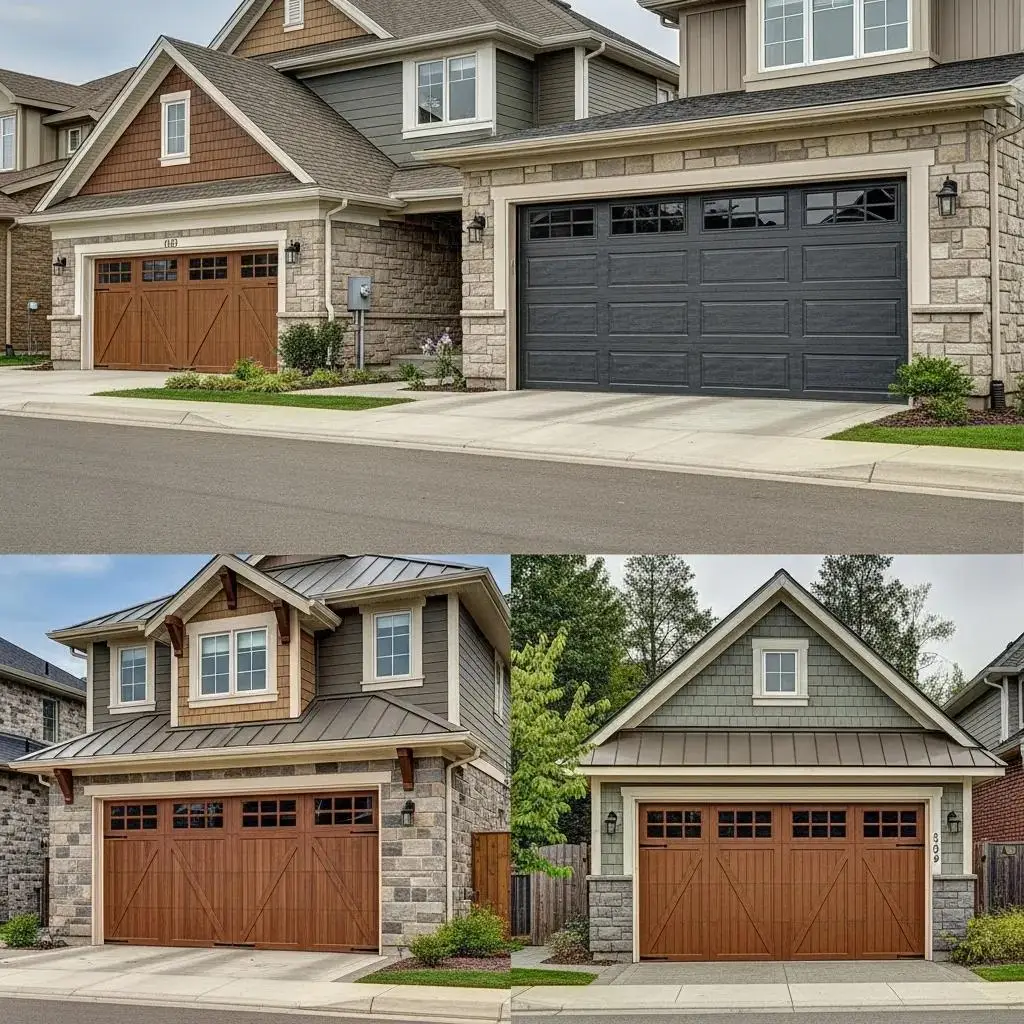
Exploring Popular Garage Door Styles for Your Home: A Guide to Design and Materials
Choosing the right garage door improves curb appeal, security, and everyday function. This guide summarizes the most common styles, key design features, and material options so you can match appearance and performance to your home and budget.
What Are the Most Popular Garage Door Styles for Residential Homes?
Homeowners commonly choose styles that blend aesthetics with practical benefits. Popular options include:
- Traditional Raised Panel : Classic raised panels that add depth and suit many home types.
- Contemporary : Clean lines, often with glass and metal for a minimalist look.
- Carriage House : Rustic, decorative hardware and a nostalgic appearance with modern operation.
- Roll-Up : Space-saving and compact, ideal where headroom is limited.
- Tilt-Up : A single-panel swing that offers a distinct, simple aesthetic.
For local options,the Overhead Door Company of the Antelope Valley offers several styles and installation services.
How Do Modern Garage Door Designs Enhance Home Curb Appeal?
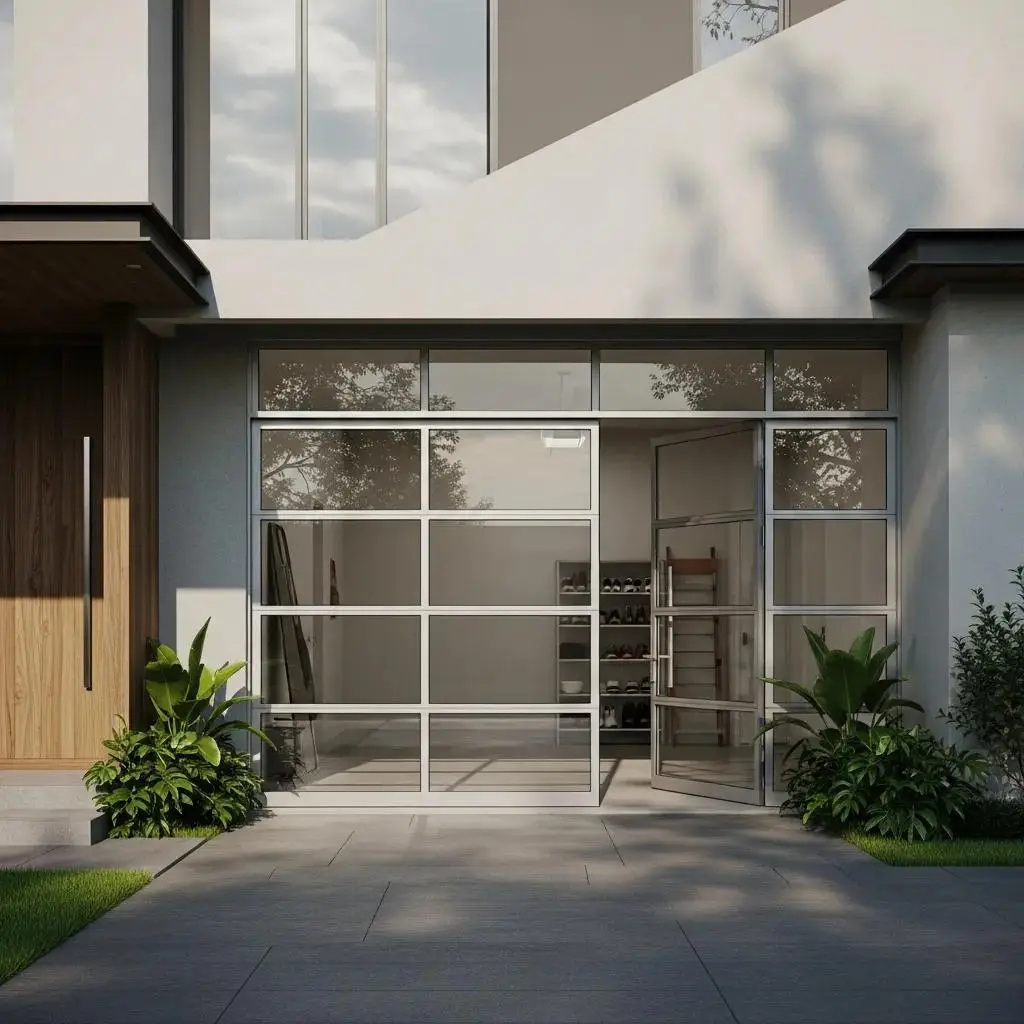
Modern doors use materials like aluminum and fiberglass, glass panels, and bold finishes to update a home’s facade. They are often lighter, more weather-resistant, and available with insulation to improve energy performance.
What Features Define Rustic and Contemporary Garage Door Styles?
Rustic and contemporary doors emphasize different details to suit distinct tastes.
Rustic Garage Door Features
- Natural Wood Finishes : Visible grain and warm tones.
- Decorative Hardware : Wrought-iron accents and traditional handles.
- Textured Surfaces : Rough-hewn or reclaimed looks that feel organic.
Contemporary Garage Door Features
Contemporary doors are defined by:
- Sleek Lines : Minimal, geometric profiles.
- Glass Panels : Natural light and a modern appearance.
- Bold Colors : Finishes that create contrast or a statement look.
These feature distinctions help you choose a door that complements your home’s architecture.
Which Garage Door Materials Offer the Best Durability and Aesthetic?
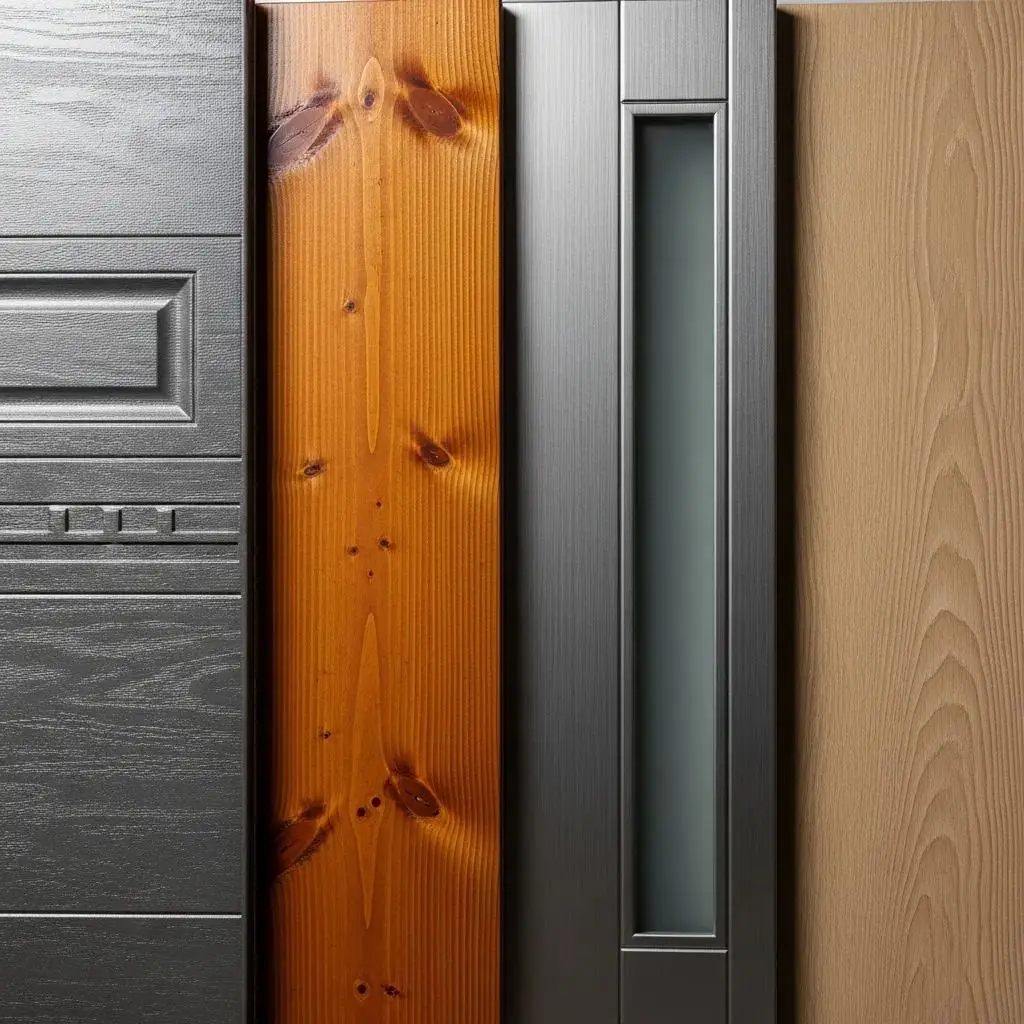
Material affects durability, maintenance, and look. Common choices include:
| Material | Pros | Cons |
|---|---|---|
| Steel | Durable, low maintenance, and secure | Can rust if not properly coated |
| Wood | Attractive and customizable | Requires regular maintenance and can warp |
| Aluminum | Lightweight and resistant to rust | Less insulation compared to other materials |
| Fiberglass | Resistant to dents and corrosion | Can become brittle in extreme temperatures |
Review priorities—durability, insulation, or appearance—before selecting a material.
What Are the Pros and Cons of Steel, Wood, and Composite Garage Doors?
Each material balances cost, maintenance, and performance differently.
Steel Garage Doors
Pros:
- Highly durable and secure
- Low maintenance
- Widely available in many finishes
Cons:
- Can rust without proper coating
- Insulation varies by model
Wood Garage Doors
Pros:
- Natural, customizable appearance
- Good insulating properties when designed accordingly
Cons:
- Requires regular sealing and upkeep
- Higher initial cost
Composite Garage Doors
Pros:
- Wood-like look with improved resistance to warping
- Lower maintenance than real wood
Cons:
- Can cost more than basic steel models
- Style options may be limited in some markets
Compare these trade-offs to your budget and climate needs.
How Do Material Choices Impact Energy Efficiency and Maintenance?
Insulated steel or composite doors provide better thermal performance, reducing heat transfer and drafts. Fiberglass and insulated models can also help lower energy costs, while wood looks warm but needs more upkeep to remain efficient.
How Does the Garage Door Installation Process Affect Style Selection?
Installation constraints—space, clearance, and structural compatibility—often determine which styles and openers are suitable.
- Space Requirements : Roll-up doors save headroom; carriage styles may need extra clearance.
- Installation Complexity : Some designs require professional installation or structural changes.
- Compatibility with Existing Structures : The new door should complement and fit the current opening.
When standard options won’t fit, custom designs such as horizontal doors can offer tailored solutions.
Custom Horizontal Garage Door Design: Aesthetics, Functionality, Durability
Garage doors are a common component to a suburban lifestyle, and this mundane concept is reimagined to fit an unusual type of outdoor garage. The project is provided by a private construction company for a pre-constructed house in San Francisco, California. The location is difficult to access, and the pre-standing structure cannot accommodate a standard garage door. To fulfill the requirements of this bid, a custom single car horizontal garage door is designed, tested, and a physical prototype is constructed for validity. The design employs a friction wheel system used to open and close the doors along a track embedded into the floor of the structure. Aesthetics, functionality, and durability are the main factors in the design process using core engineering concepts, technical analyses (including Internet of Things and smart systems), and creativity.
Horizontal garage door, 2024
Understanding installation limits helps you choose the most practical style and any necessary custom work.
Popular Garage Door Styles and Materials to Boost Curb Appeal
Installation typically follows an assessment, preparation, installation, and final adjustments. A professional will measure the opening, make any needed modifications, install the door and hardware, then test and tune operation.
- Assessment : Evaluate structure and discuss options.
- Preparation : Clear area and make minor modifications as needed.
- Installation : Mount door sections, tracks, springs, and opener.
- Final Adjustments : Test balance, safety features, and alignment.
Most residential installs take a few hours to a full day depending on complexity.
Why Choose Local Installation Services in Antelope Valley and Santa Clarita Valley?
Local installers understand regional climate, building practices, and homeowner preferences. Choosing a nearby company often yields faster service, personalized recommendations, and community trust.
- Local Expertise : Installers know area needs and suitable materials.
- Community Trust : Local firms offer ongoing support and reputation-based service.
- Personalized Service : Tailored solutions to fit homes in the Antelope Valley and Santa Clarita Valley.
How Can Garage Door Styles Improve Your Home’s Curb Appeal and Security?
The right door complements the exterior, adds curb appeal, and can include reinforced materials and smart features that improve security. A well-selected door may increase market value while protecting the home.
What Design Elements Boost Visual Appeal and Property Value?
Small design choices can make a big difference. Key elements include:
- Color and Finish : Match or contrast with the home’s exterior for impact.
- Window Inserts : Add natural light and decorative detail.
- Hardware Accents : Handles and hinges add character, especially on carriage styles.
Thoughtful finishes and accents help the door feel integrated with the home’s overall design.
Which Security Features Are Available with Popular Garage Door Styles?
Security options range from reinforced constructions to smart access and automated locking.
- Smart Technology : Remote monitoring and control via apps.
- Reinforced Materials : Steel and composite cores resist forced entry.
- Automatic Locking Systems : Locks that engage when the door closes for added protection.
Picking a model with appropriate security features helps protect your property.
To explore options for residential installation, contact local professionals.
Frequently Asked Questions
What factors should I consider when choosing a garage door style?
Consider your home’s architecture, available clearance, material durability, maintenance needs, and whether the garage is attached (for energy concerns).
How can I maintain my garage door to ensure its longevity?
Inspect periodically for rust, warping, or damage; lubricate moving parts; keep tracks clear; and call a pro for complex repairs.
Are there energy-efficient garage door options available?
Yes. Look for insulated doors with good R-values and quality weather stripping to reduce heat transfer and drafts.
What are the latest trends in garage door design?
Trends include mixed materials, large glass panels, bold colors, minimalist lines, and smart connectivity; custom doors remain popular for unique looks.
How do I choose the right garage door opener for my door?
Select an opener by door weight and type; belt drives are quiet for attached garages, chain drives are durable, and ensure sufficient horsepower and safety features.
What should I do if my garage door is not functioning properly?
Check for obstructions and power issues, test remotes and switches, and contact a professional for mechanical or alignment problems.
Can I install a garage door myself, or should I hire a professional?
DIY is possible for experienced homeowners, but professional installation is recommended to ensure correct fit, safety, and code compliance.
Conclusion
Choosing the right garage door means balancing style, materials, energy performance, and installation needs. Work with local garage door professionals for a tailored result that enhances curb appeal, security, and long-term value.