

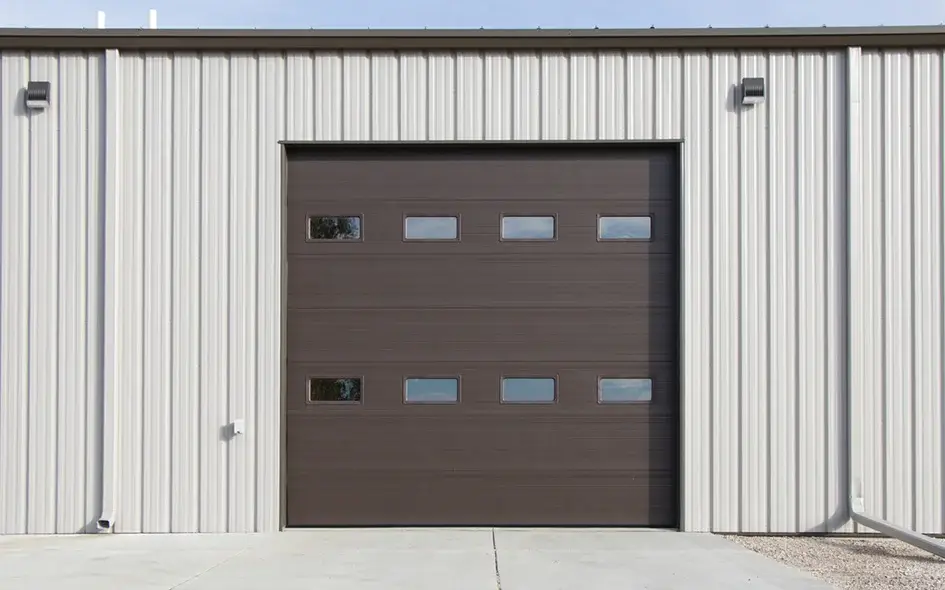
Local Garage Door Repair Pricing Explained: What to Expect, How to Get Accurate Quotes, and How to Plan Your Service
Knowing how local garage door repair pricing works helps homeowners avoid surprises. This article walks through the key factors that shape repair costs so you can compare quotes and plan service confidently. Many people aren’t sure what repairs should cost — from emergency callouts to routine maintenance — so we’ll clarify the main drivers of price, how springs affect costs, and what to expect in the Antelope Valley market. Use this guide to get a realistic estimate and prepare for your next repair.
Factors that influence local garage door repair pricing include:
Several elements affect what you’ll pay for garage door service. Understanding them makes it easier to budget and evaluate estimates. The most common factors are:
- Size and Material: Bigger doors and premium materials usually cost more to repair because they require heavier parts and more labor.
- Brand Reputation: Recognized brands can carry higher service prices due to parts availability and specialized repair requirements.
- Installation Complexity: Jobs that need precise adjustments or advanced skills—like torsion spring work—tend to be pricier because they take longer and require experienced technicians.
After considering these broad factors, it helps to look at specific components that drive repair costs. If you’re replacing a full door, consider our residential installation services to ensure a safe, code-compliant fit.
What Are the Main Components Influencing Garage Door Repair Costs?
Repair bills are typically built from a few key components. Here’s what to expect:
- Labor Expenses: Labor often makes up a large portion of the bill—for example, spring replacements run around $249 and opener repairs about $199. Skilled techs are needed to keep repairs safe and reliable.
- Parts Pricing: Common parts vary in cost. Spring replacements may range from $200 to $400, and small items like sensors often cost $75 to $150 to replace or realign.
- Service Calls: The initial visit for diagnosis and basic fixes usually falls between $150 and $350, depending on travel, time, and what parts are needed.
Below is a simple cost comparison for typical repair items:
| Component | Typical Cost Range | Description |
|---|---|---|
| Spring Replacement | $200 – $400 | Cost for replacing various types of springs. |
| Opener Repair | $199 | Price range for fixing opener issues. |
| Service Call | $150 – $350 | Charge for technician’s visit and diagnosis. |
Knowing these typical costs helps you budget and avoid unexpected expenses when scheduling repairs.
How Do Garage Door Springs Affect Repair Pricing?
Springs are central to a garage door’s operation and a major cost driver when they fail. The type of spring, how complex the replacement is, and the level of damage will change the price. For example, spring replacements commonly range from $200 to $400, with torsion springs often at the higher end because they’re more complicated to install safely.
Extension and torsion springs work differently and carry different price points. Identifying the spring type on your door helps technicians give a more accurate estimate.
What Is the Cost Range for Garage Door Opener Replacement?
Opener replacement costs depend on the model, features, and installation difficulty. Prices vary widely, so budget for both the unit and installation labor. Choosing a reliable opener that fits your needs will ensure better long-term performance and fewer service calls.
Consider functions like smart connectivity, horsepower, and warranty when comparing opener prices and value.
Understanding Local Garage Door Repair Costs
Emergency repairs often cost more than regular service because they require faster response and may happen outside normal business hours. When you need urgent help, expect quicker arrival times—and a higher fee to match the priority service.
Why Are Emergency Repairs Typically More Expensive?
Emergency pricing reflects the urgency and logistics of the call. Technicians may work evenings, weekends, or holidays, which increases labor rates. In addition, emergency jobs demand immediate troubleshooting and secure fixes, so specialists who can handle those scenarios charge a premium. Plan for higher fees when you need immediate service versus a scheduled appointment.
What Are Typical Emergency Repair Fees in the Antelope Valley Area?
In the Antelope Valley, emergency service fees commonly start from about $200 and can reach $500, based on the problem’s complexity and the time of day. Keeping this range in mind helps you set aside funds for unexpected garage door issues.
What Is the Cost Comparison Between Garage Door Repair and Installation?
Comparing repair versus full installation can clarify the best path forward. Repair costs usually fall between $150 and $350, while a new door installation typically ranges from $300 to $1,200. The wide installation range reflects choices in style, size, and materials.
Deciding whether to repair or replace often comes down to the scope of damage, the door’s age, and potential long-term savings on maintenance.
How Can You Get an Accurate Quote for Garage Door Repair Services?
To get a reliable quote, follow a few practical steps. These help ensure estimates include the full scope of work and avoid surprises:
- Request Multiple Quotes: Get estimates from a few reputable providers so you can compare prices and services.
- Discuss Specific Needs: Describe the problem clearly and provide any history about prior repairs or symptoms you’ve noticed.
- Review Detailed Estimates: Ask for written estimates that list parts, labor, and any warranties so you know exactly what’s included.
These steps make it easier to choose the right service at a fair price.
What Information Do Professionals Need for Precise Pricing?
Technicians will ask for details that help them prepare an accurate estimate, including:
- Measurements and Styles: Exact door dimensions and style let techs select the correct parts and materials.
- Details of Existing Issues: Specific symptoms—noises, movement problems, or failed components—help determine the likely repairs and parts needed.
How Does Service Scheduling Influence Pricing Transparency?
When you schedule service affects pricing. High-demand times—like weekends, holidays, or rush seasons—can lead to higher rates or limited appointment windows. Scheduling routine maintenance during off-peak times usually provides better availability and clearer pricing.
What Are Typical Garage Door Maintenance Pricing and Preventive Care Costs?
Regular maintenance keeps doors running longer and reduces emergency repairs. Typical preventive costs include:
- Inspection Services: Around $50 to $100 for a professional check that identifies small issues early.
- Lubrication and Adjustments: Approximately $75 to $150 to keep tracks, rollers, and hardware functioning smoothly.
These routine actions often prevent larger, more expensive repairs down the road.
How Does Regular Maintenance Affect Long-Term Repair Expenses?
Consistent maintenance reduces long-term repair costs by catching wear before it becomes a major problem. Simple practices—inspections, timely part replacements, and proper lubrication—extend component life and lower the frequency of emergency repairs. Over time, small maintenance expenses pay off in fewer costly fixes.
Include routine checks in your home-care budget to protect your garage door investment.
What Are Common Maintenance Service Price Ranges in Local Markets?
Local maintenance pricing typically falls between $50 and $150 depending on the service. Rates vary by market and service scope, but knowing these ranges helps you plan and compare providers.
Frequently Asked Questions
1. What factors should I consider when choosing a garage door repair company?
Look for reputation, experience, and clear pricing. Read reviews, confirm licensing and insurance, and ask about warranties for parts and labor. A trustworthy company will provide transparent estimates and be responsive about emergency availability.
2. How often should I perform maintenance on my garage door?
A full professional inspection once a year is a good baseline. If your door sees heavy use, consider checks every six months. Regular lubrication and hardware checks help prevent common failures.
3. Are there DIY repairs homeowners can safely do?
Homeowners can handle basic tasks like cleaning tracks, lubricating moving parts, and tightening loose screws. Anything involving springs, cables, or complex opener work should be left to trained technicians because those parts can be dangerous to handle.
4. What are the signs that my garage door needs repair?
Common signs include loud or unusual noises, slow or jerky movement, visible damage to panels or hardware, imbalance, or failure to respond to remotes. Any sagging or gaps when the door is closed also warrant a professional inspection.
5. Can regular maintenance help in lowering future repair costs?
Yes. Routine maintenance finds small problems before they become big ones. Simple actions—lubrication, tightening, and alignment—can reduce wear and help avoid costly emergency repairs.
6. What is the typical lifespan of a garage door?
The average garage door lasts about 15 to 30 years, depending on material, usage, and maintenance. Steel doors often last longer than wood, and regular upkeep extends the service life considerably.
7. How can I make my garage door more energy-efficient?
Improve efficiency by adding insulation and replacing worn weatherstripping. An insulated door helps regulate temperatures in attached spaces, and good seals prevent drafts, lowering heating and cooling costs.
Conclusion
Understanding local garage door repair pricing helps you make smarter choices and avoid surprise bills. Keep an eye on material and labor costs, maintain your door regularly, and compare clear, written estimates before you commit. If you’d like help or a detailed quote, explore our expert services to protect your investment and keep your garage door working smoothly.